

SILICON SAVANNAH: THE NEW WAVE IN FASHION
Unweaving colonial legacies, reclaiming knowledge and reimagining the future of fashion from an Afrodiasporic perspective
What if the future of fashion is already being created in places the industry has historically overlooked? And what if Africa is not catching up with the future, but helping to redefine it?
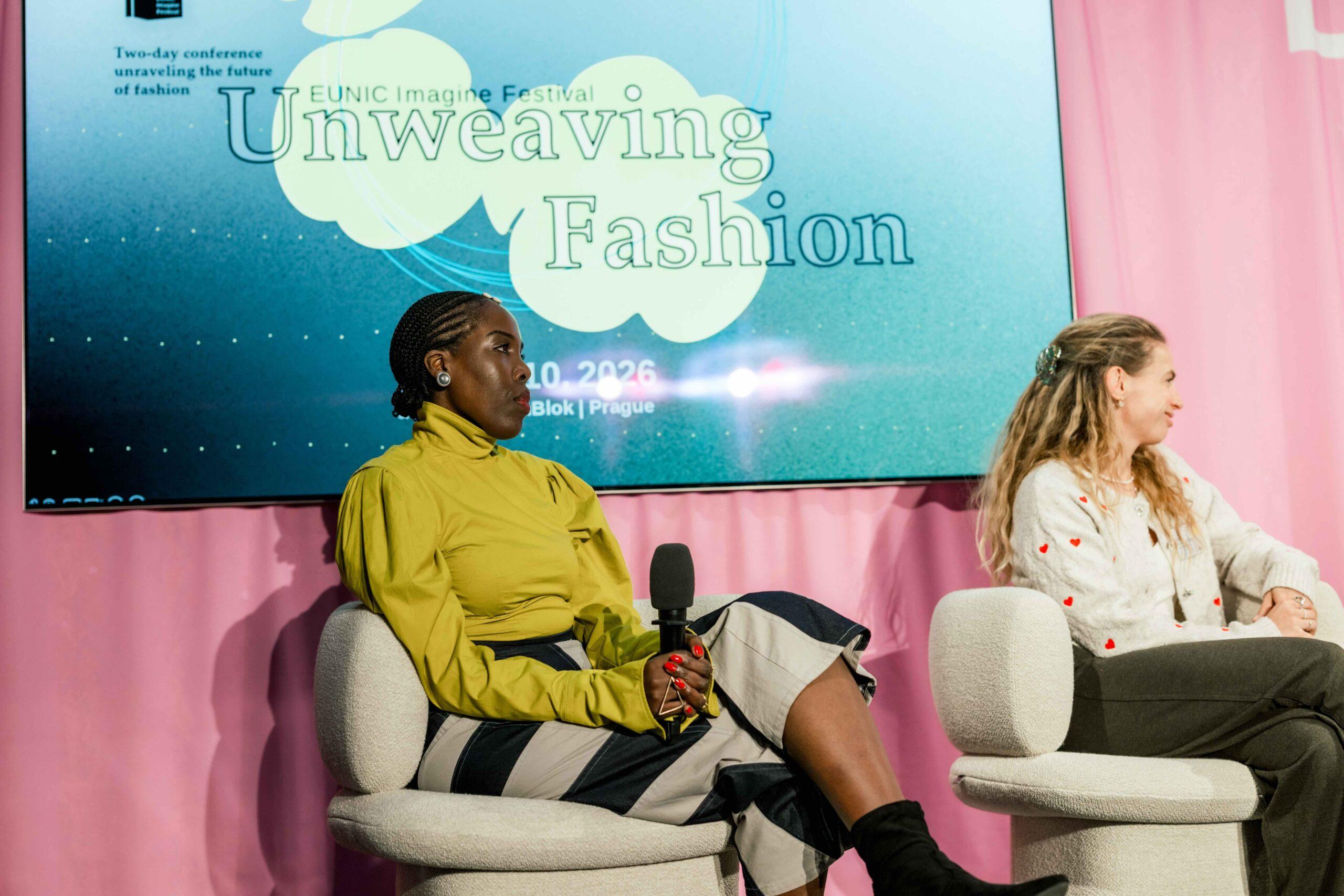
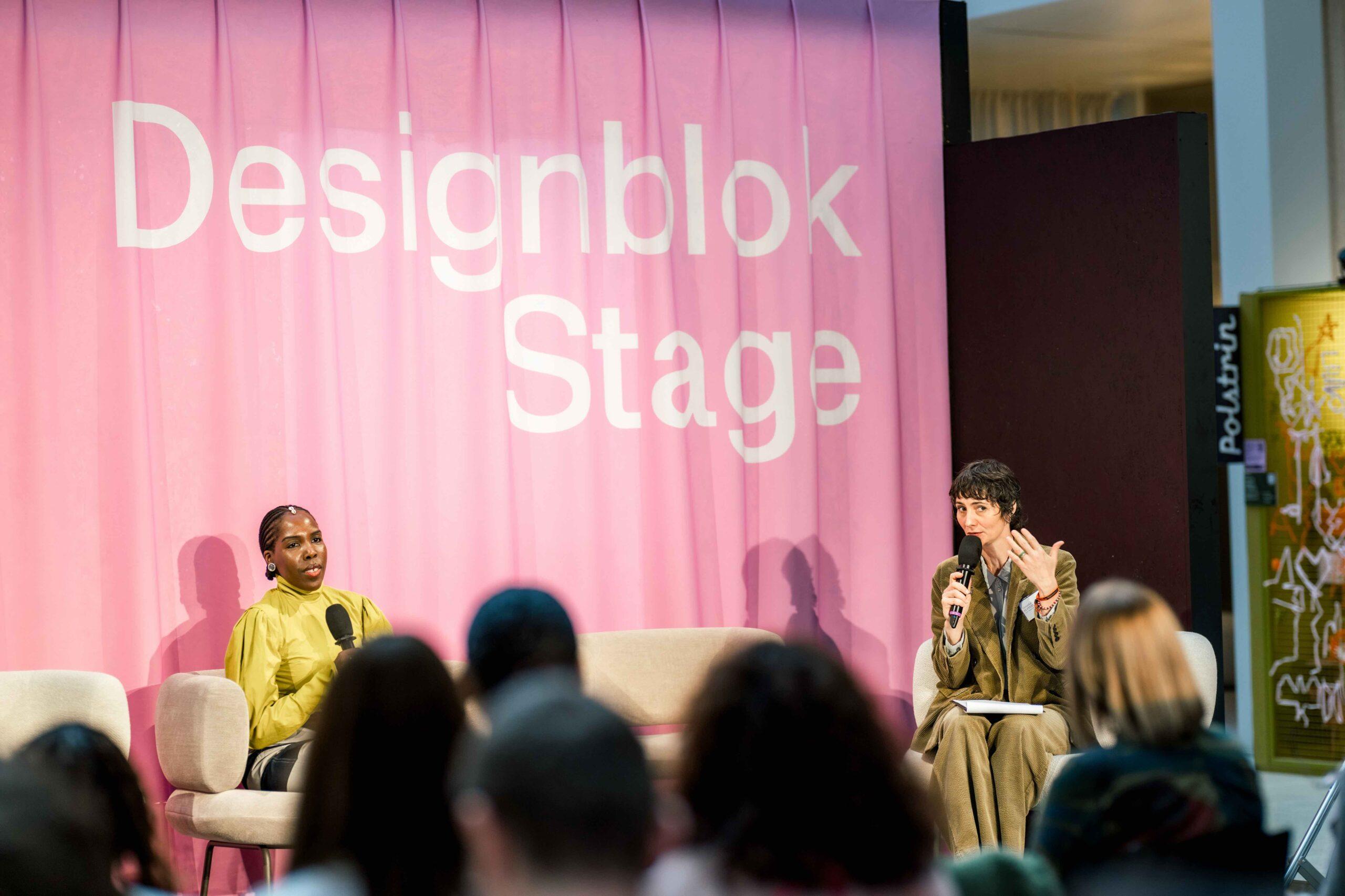
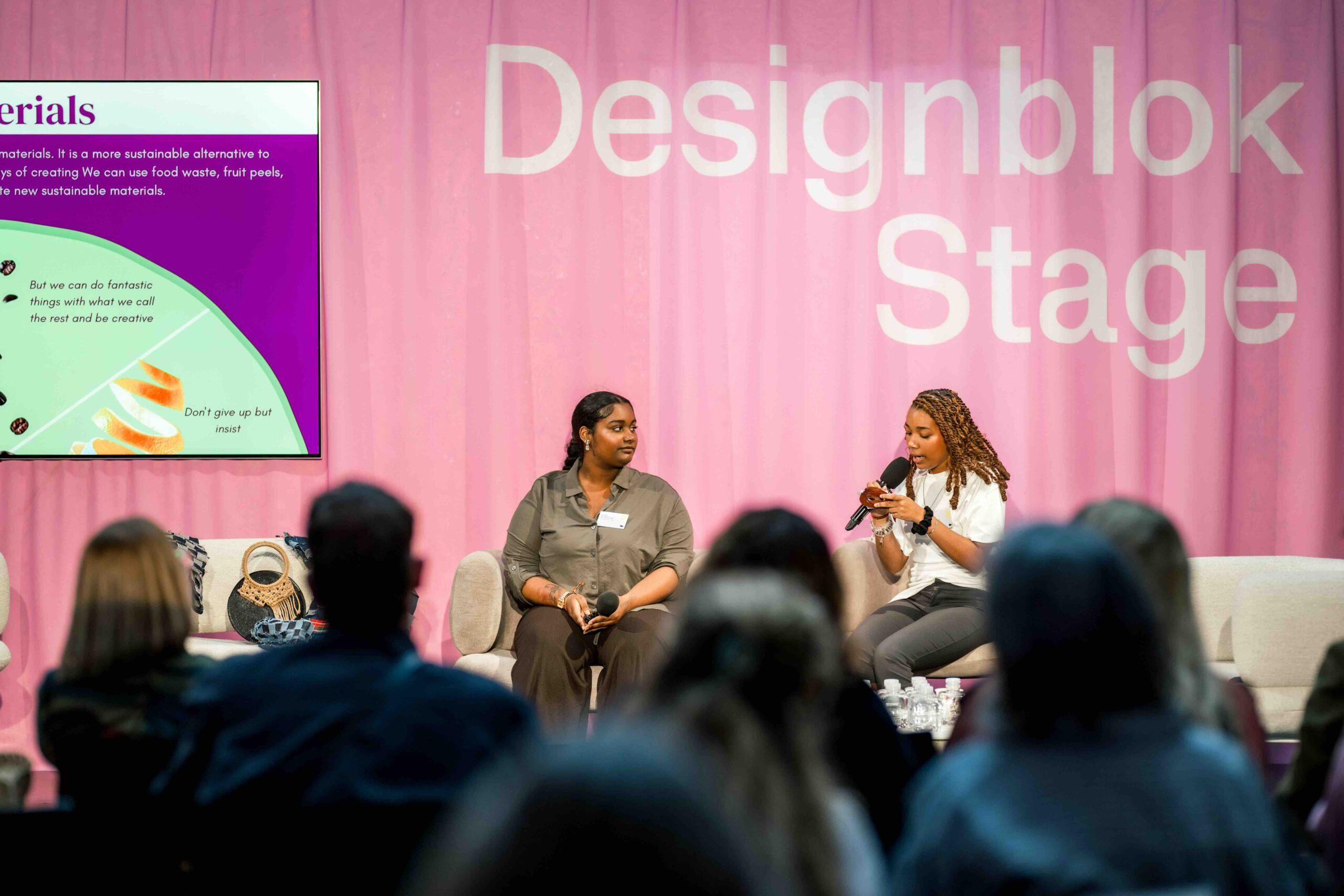
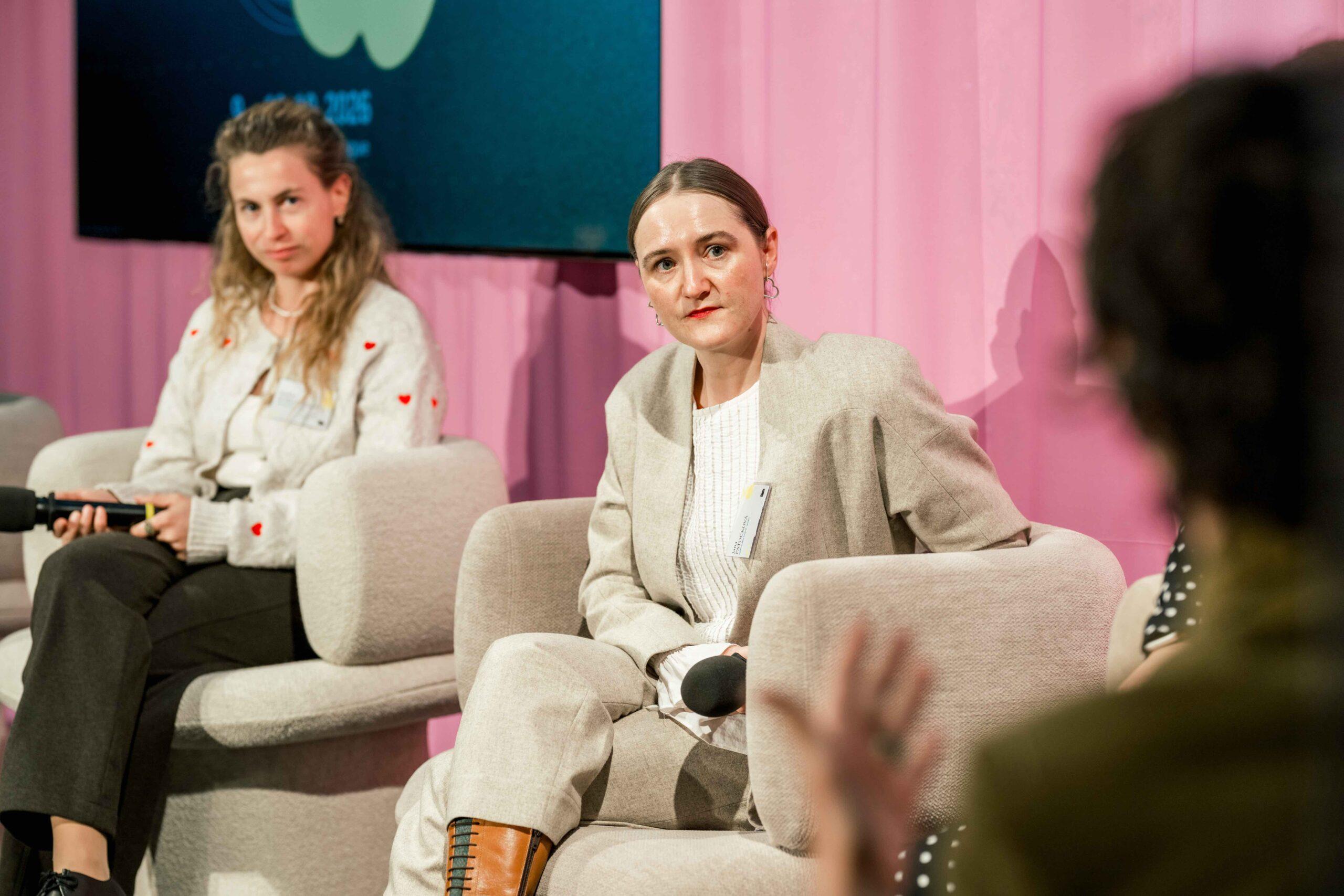
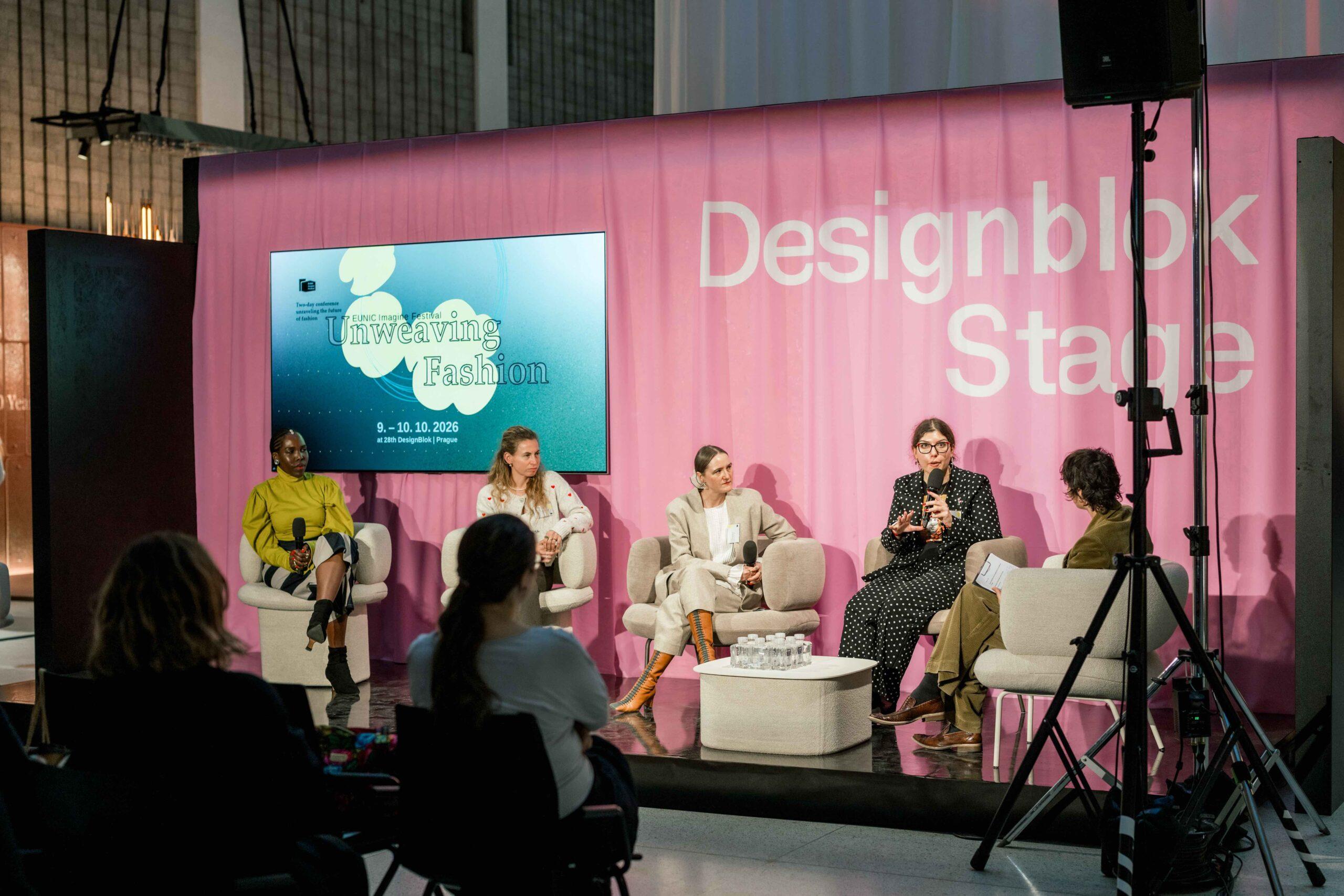
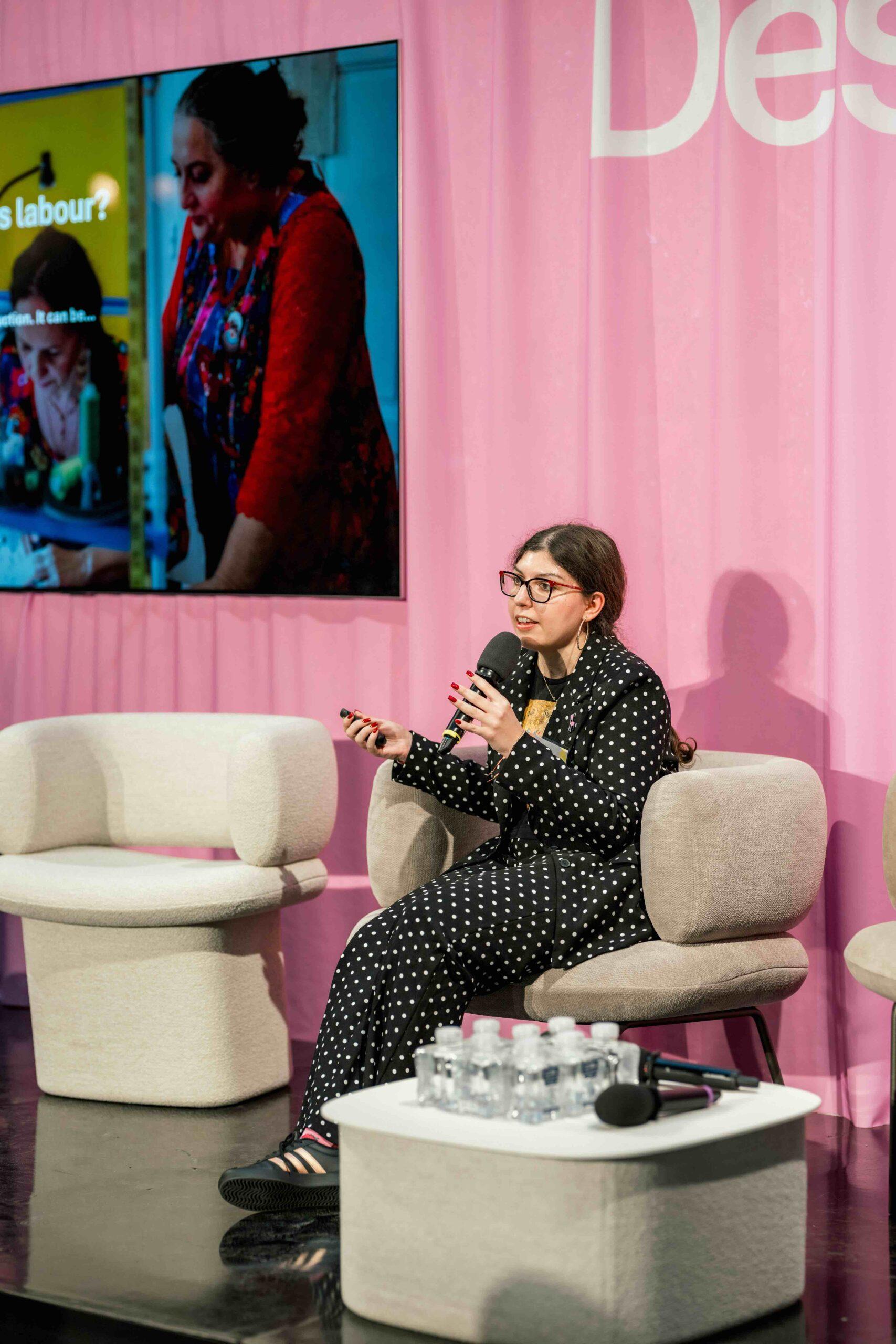
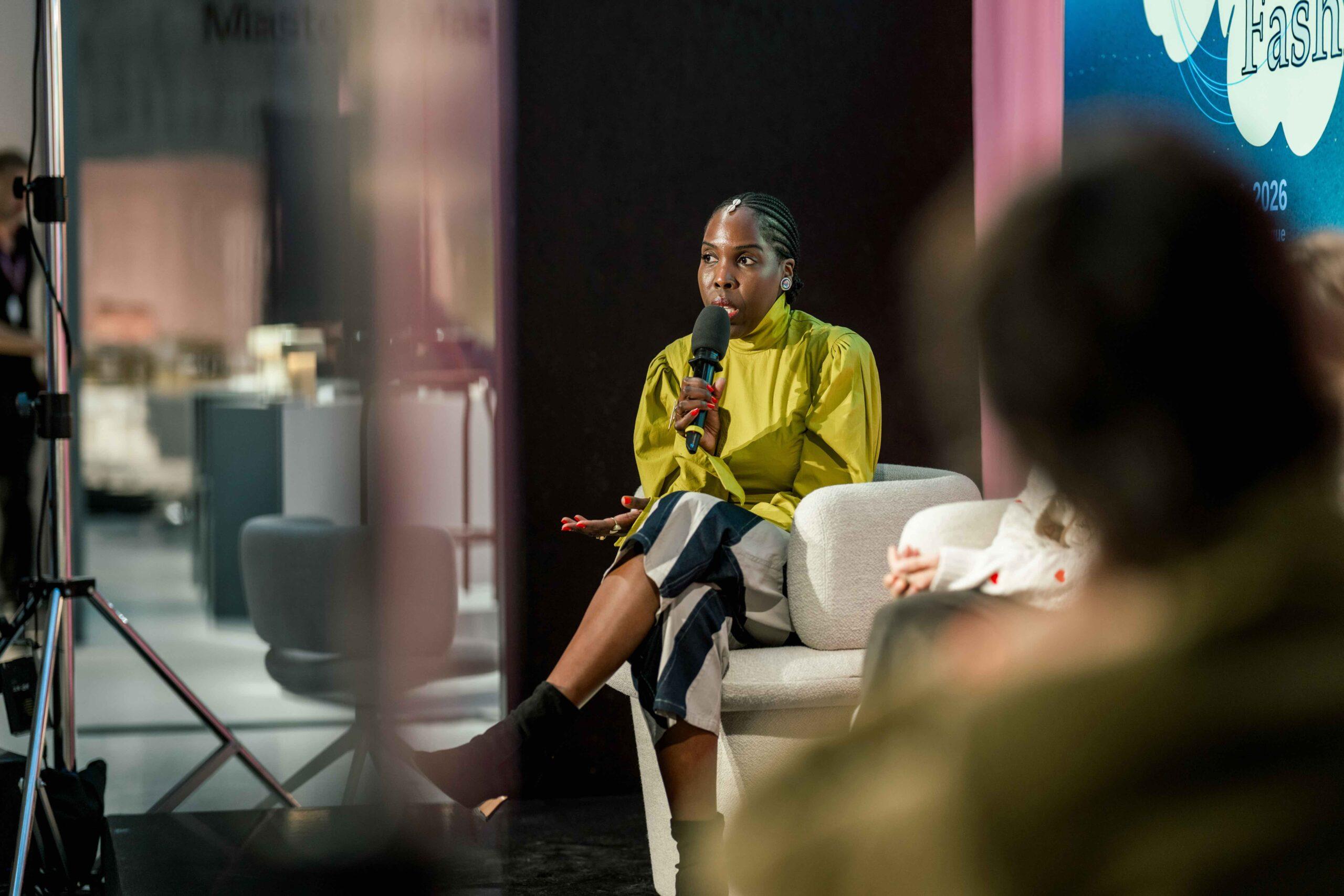
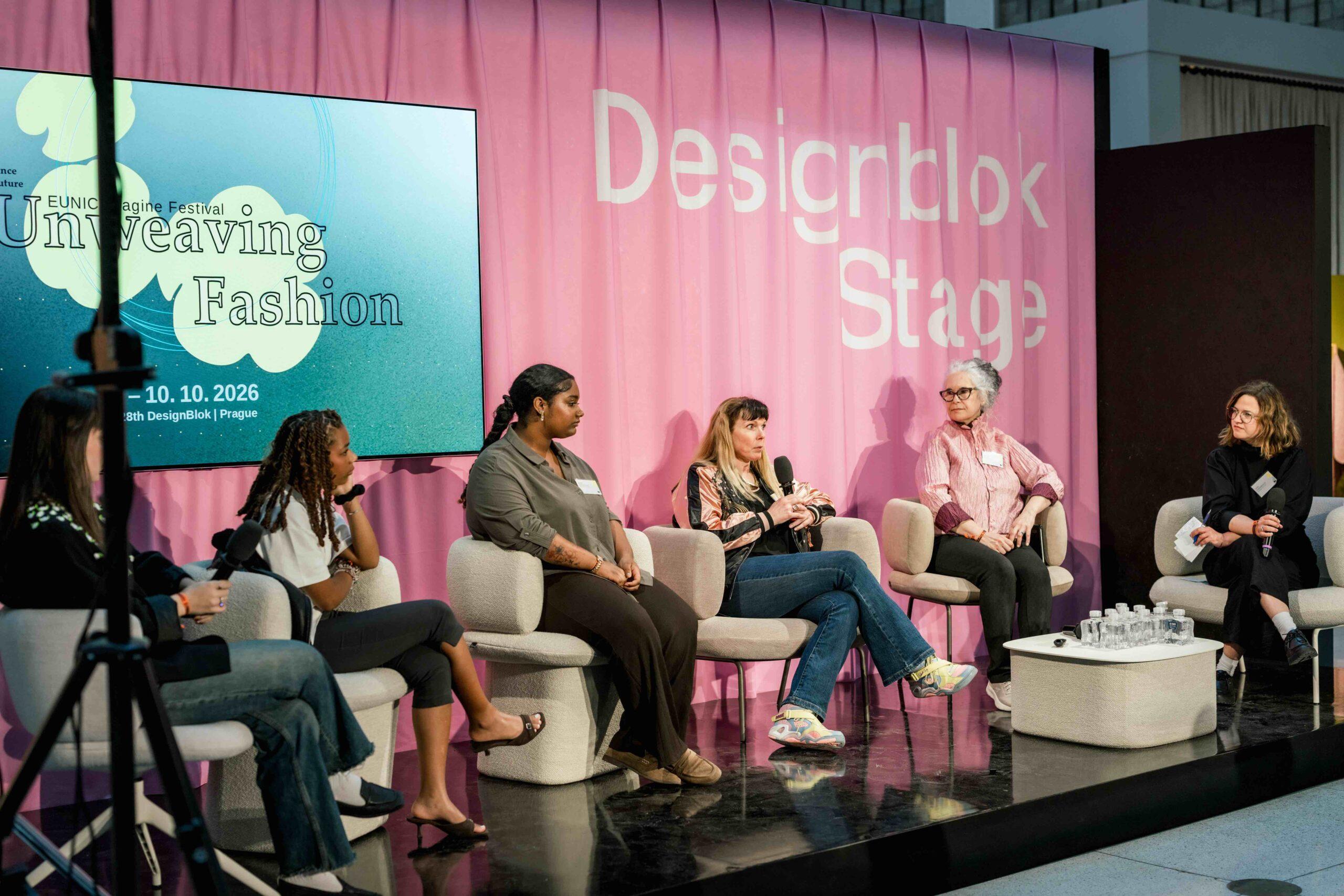
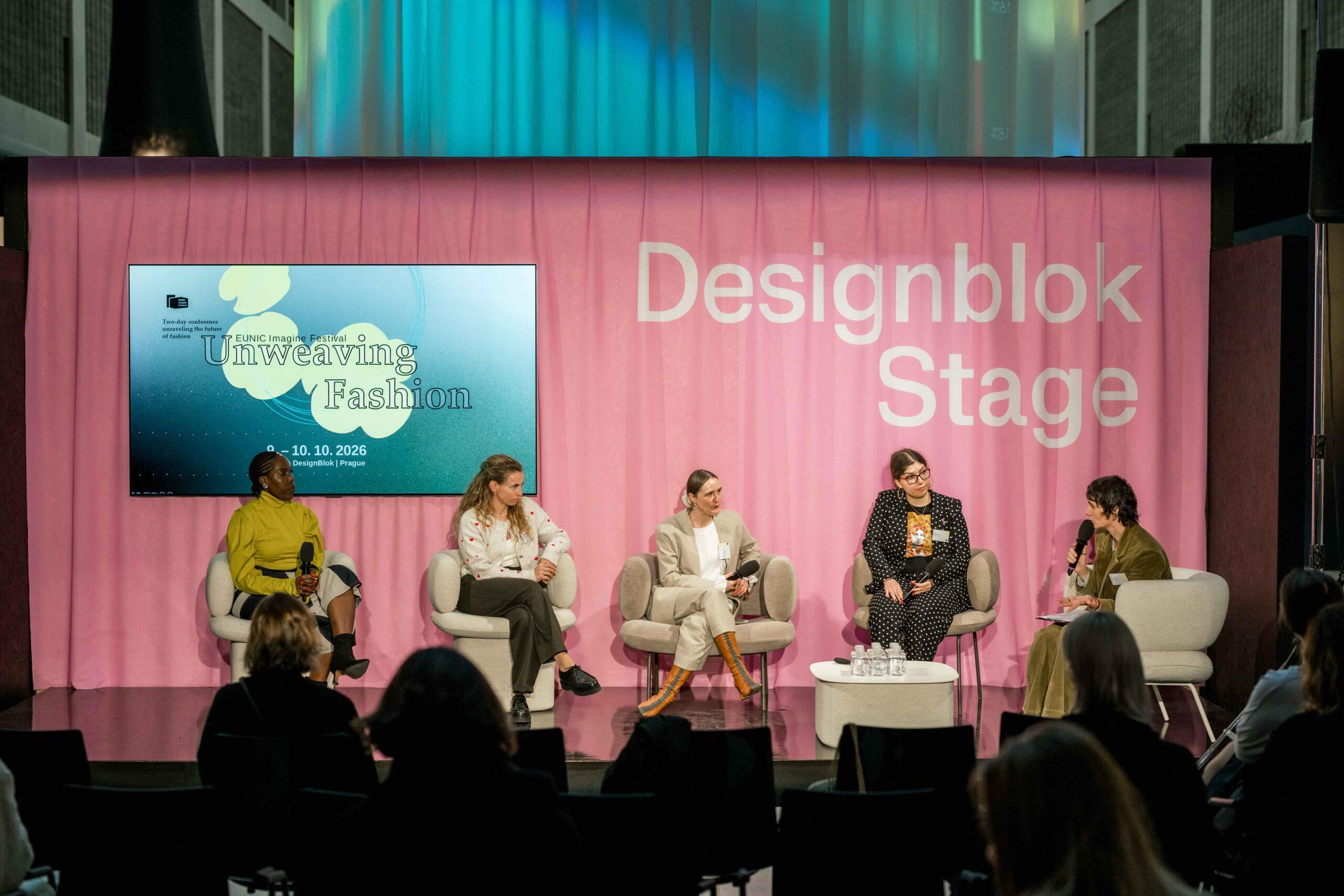
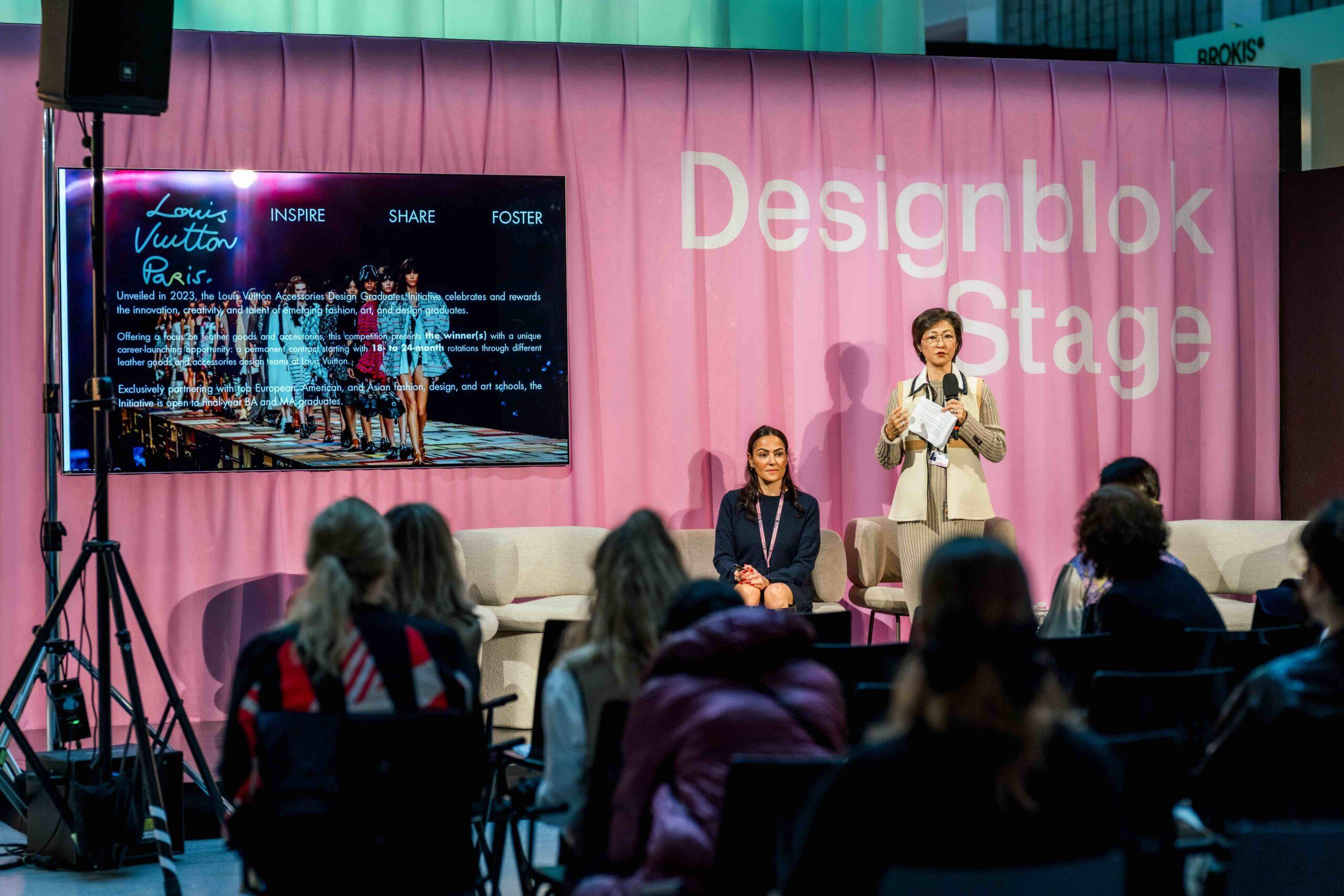
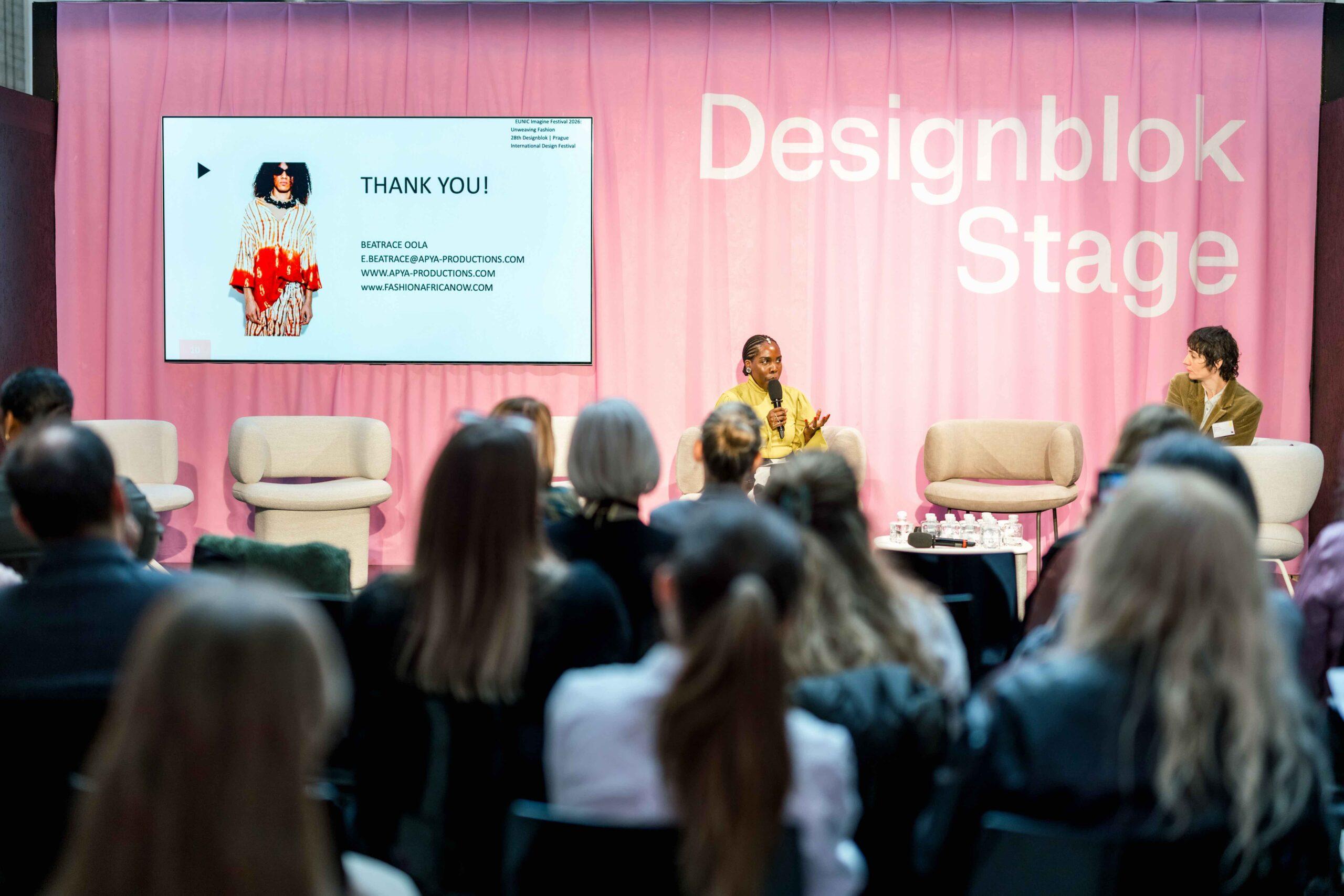
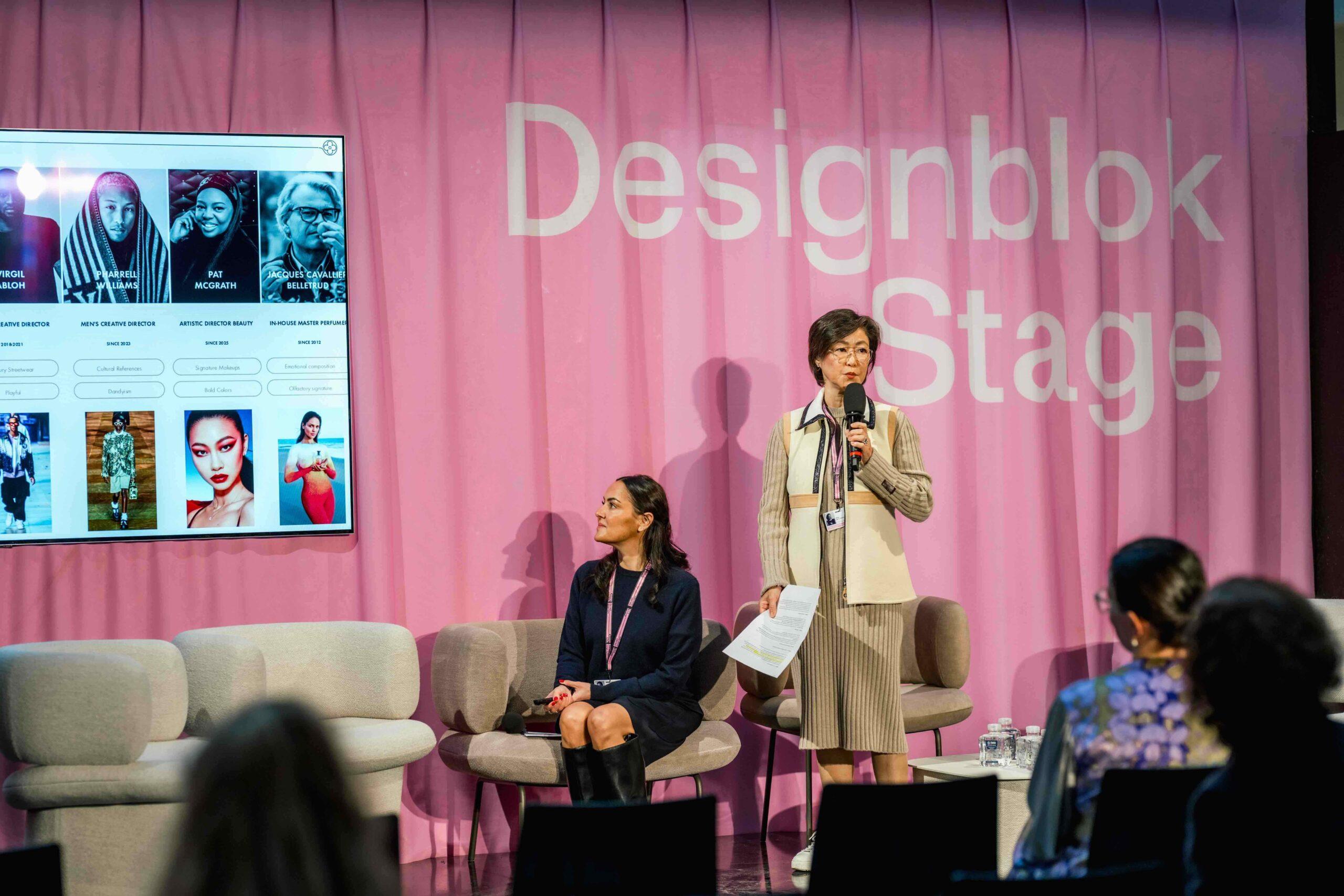
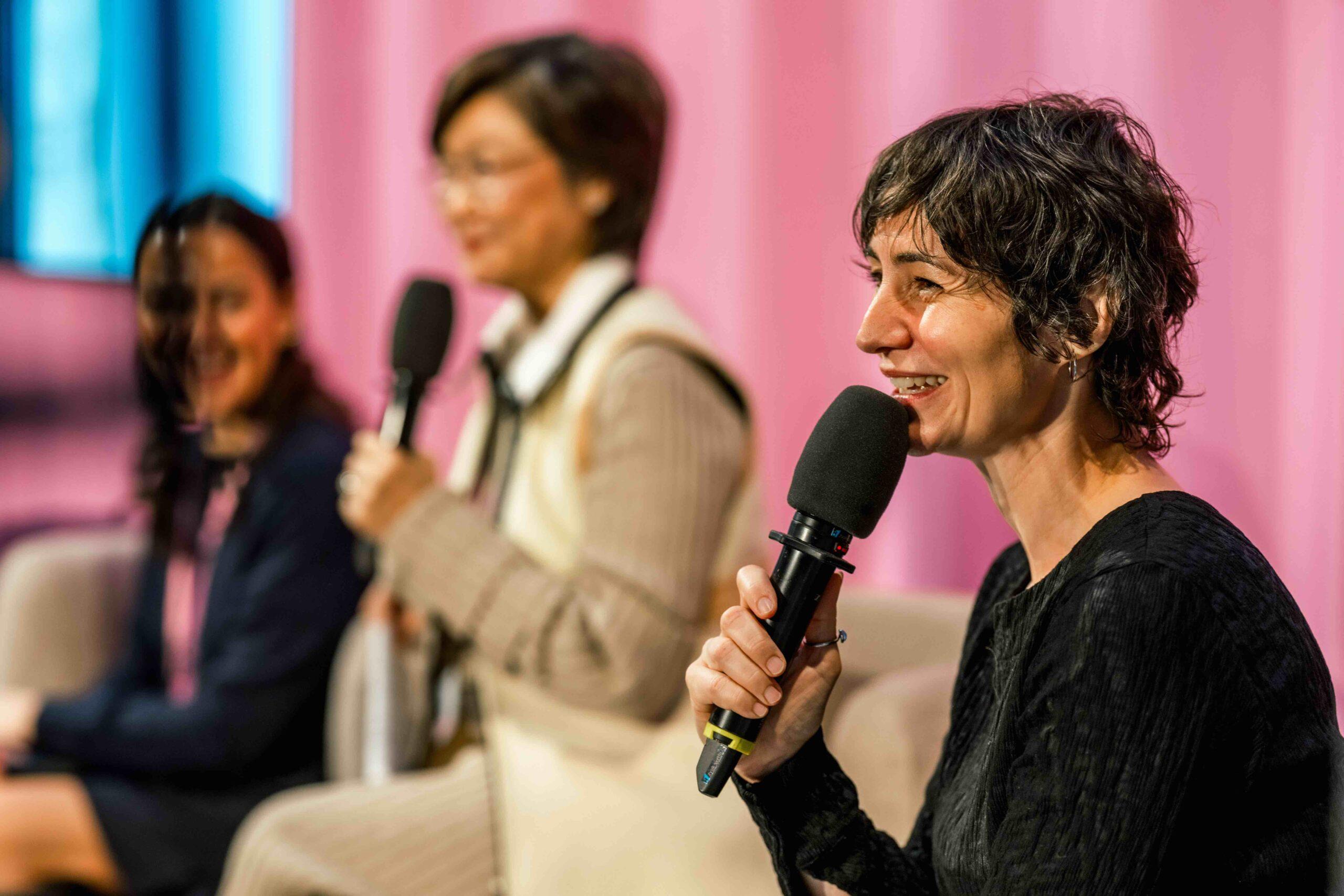
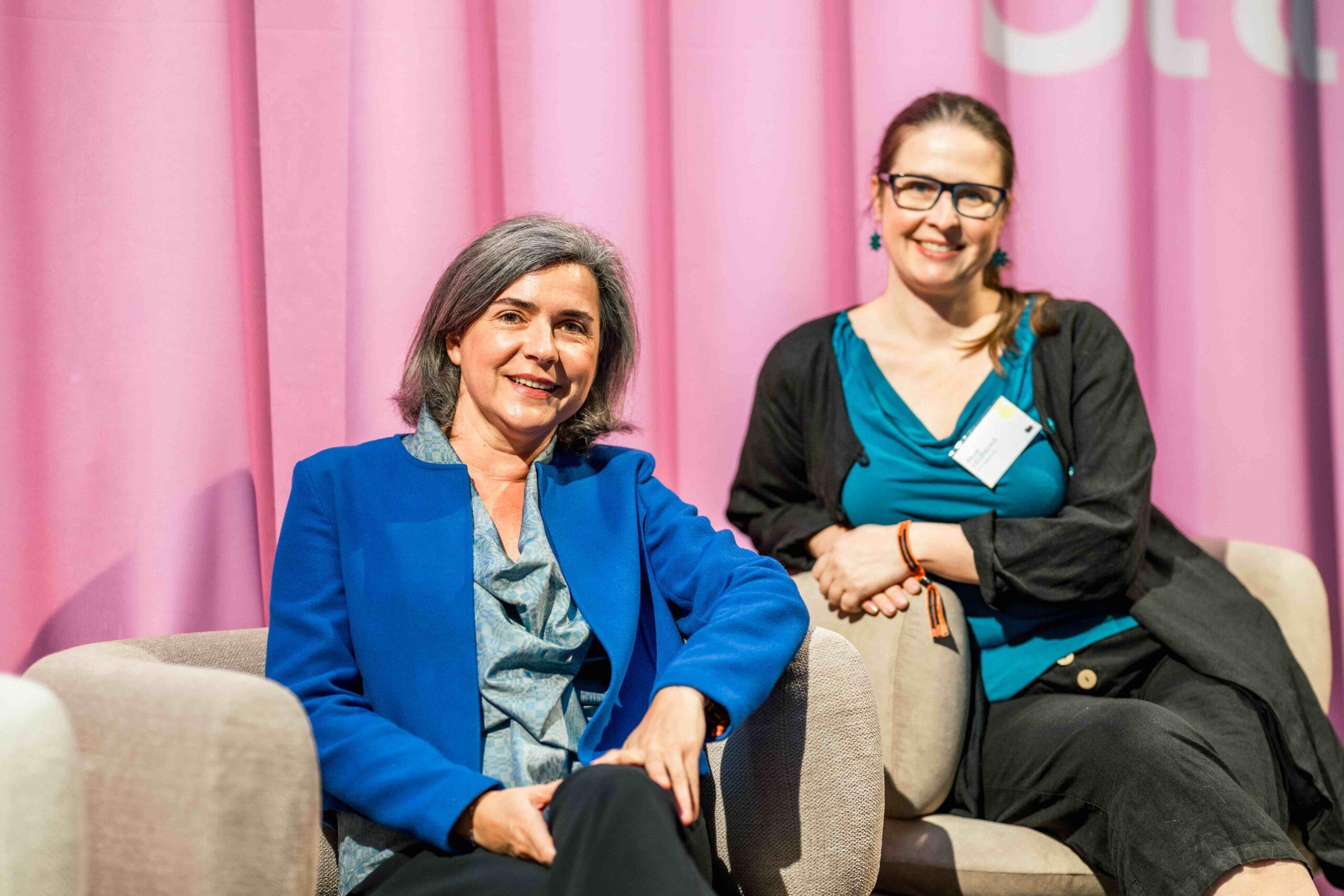
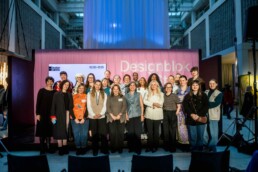
There are moments when a conversation extends beyond the room in which it takes place. The EUNIC Imagine Festival 2026: Unweaving Fashion, held on 9–10 October in Prague as part of the 28th Designblok International Design Festival, was one such moment. Bringing together designers, researchers, cultural practitioners and industry experts from across Europe, the two-day conference opened a space to question the structures underpinning fashion and to imagine what a more equitable future might look like.
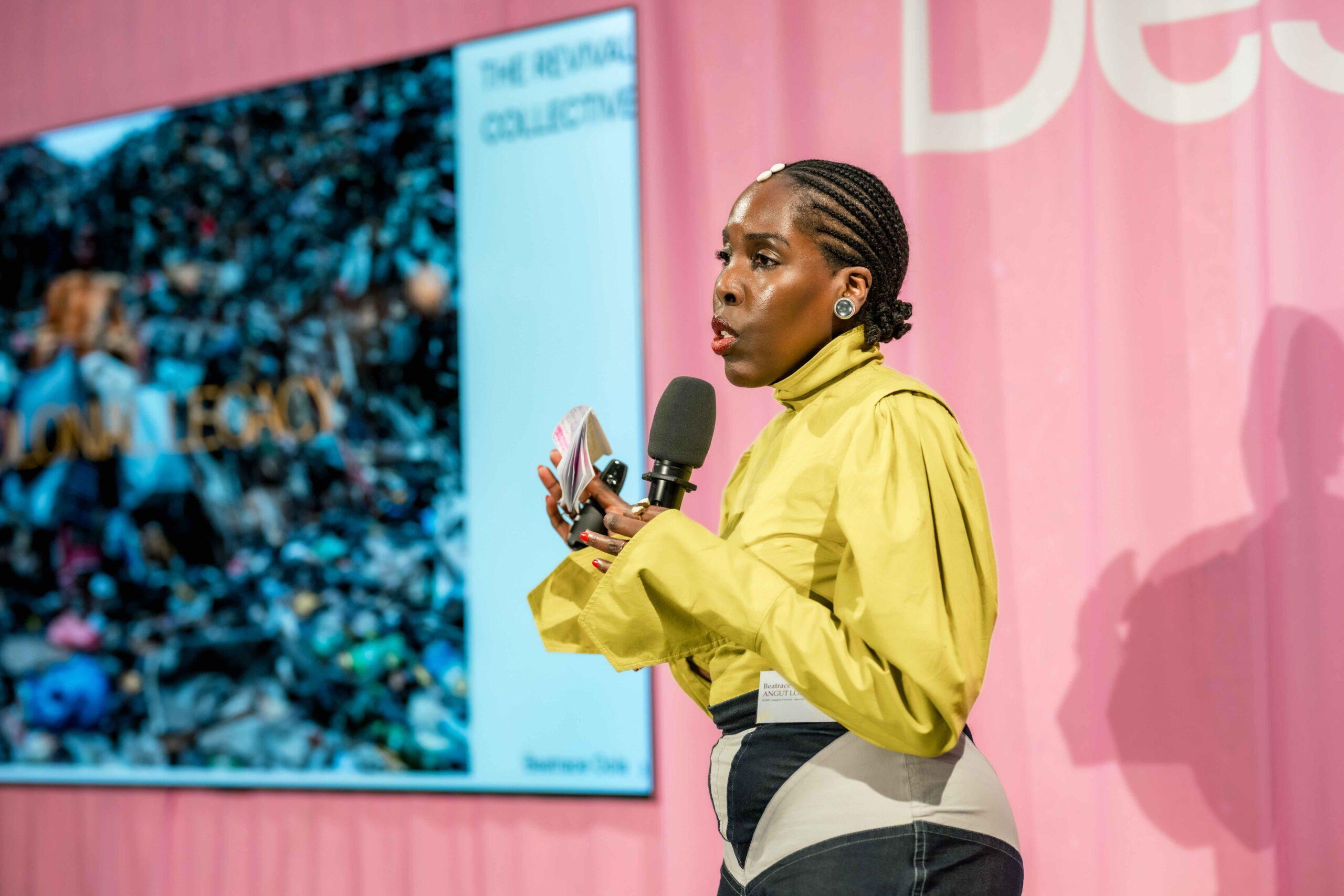
For me, it was both a pleasure and an honour to represent Germany as a keynote speaker and panellist, following an invitation from the Goethe-Institut Prague. My contribution, Decolonizing Fashion: Inclusion, Representation & Ethical Supply Chains, approached the subject from a German-Afrodiasporic, intersectional and decolonial perspective — one that understands fashion not simply as an industry of aesthetics and consumption, but as a site where histories, identities, resources and power intersect.
As the founder of Fashion Africa Now, an international platform and network committed to challenging stereotypes, shifting narratives and amplifying African, Afrodiasporic and Black perspectives, I have long been interested in the questions that emerge when we look beyond fashion’s dominant narratives. Who shapes the industry? Whose knowledge is recognised? Whose labour sustains it? And who ultimately benefits from the value it creates?
These questions were at the heart of the conference.





Unweaving the system
The festival’s three thematic strands — Reclaiming Resources, Rethinking Labour and Reimagining Systems — addressed some of the most urgent contradictions of contemporary fashion. From material extraction and environmental degradation to invisible labour, unequal supply chains and the limits of circularity, the discussions made clear that sustainability cannot be reduced to a question of materials or technological innovation. It requires us to examine the systems that determine how resources are sourced, how value is distributed and whose interests are served.
From an Afrodiasporic perspective, this examination cannot take place without acknowledging colonial history.
Fashion did not develop outside the structures of colonialism. Its global expansion has been shaped by extraction, trade, migration and labour regimes that connected distant territories while distributing wealth and power unequally. These histories continue to influence contemporary production systems, from the sourcing of raw materials to the locations where garments are manufactured, sold and discarded. Today, the consequences remain deeply unequal. Economic value frequently accumulates in the Global North, while communities in the Global South bear disproportionate environmental and social costs. Textile waste travels across borders. Resources are extracted from communities that often receive only a fraction of the value generated from them. Meanwhile, the knowledge and creative contributions of those same communities are too often marginalised in conversations about innovation and sustainability.
Representation changes the image. Redistributing power changes the industry.
This distinction matters. Greater visibility is important, but visibility alone does not transform the conditions under which fashion operates. An industry cannot claim to be inclusive while maintaining unequal access to capital, decision-making, intellectual property, market opportunities and the ownership of value. Decolonising fashion therefore means more than diversifying its imagery. It means questioning the structures that determine whose creativity is celebrated, whose expertise is considered legitimate and who has the power to define the future.
Silicon Savannah: looking beyond the familiar centres of innovation
Against this backdrop, the idea of Silicon Savannah offers an intriguing point of departure.
The term is commonly associated with East Africa’s technology and innovation ecosystem, particularly Kenya. Yet, when considered alongside the evolving landscape of African fashion, it also invites us to look more closely at the intersections of creativity, entrepreneurship, technology and resourcefulness emerging across the continent. A new generation of African designers, makers and entrepreneurs is developing responses to challenges that the global fashion industry is only beginning to address with renewed urgency. From upcycling and material experimentation to repair, reuse and community-based production, these practices demonstrate that innovation does not always originate in the places traditionally recognised as centres of global fashion. Across the continent, creative practitioners are working with the materials, infrastructures and resources available to them, developing new ways of producing, circulating and extending the life of garments and textiles. Waste entrepreneurs — or wastepreneurs — are transforming discarded materials into economic opportunities, while designers are exploring how local knowledge and contemporary approaches can generate new forms of value. These developments deserve to be understood on their own terms, rather than simply as responses to Western sustainability agendas.
The important point is not to romanticise resourcefulness or suggest that African entrepreneurs should have to solve environmental problems created by a global system they did not design. Nor should innovation born out of necessity become an excuse for inadequate infrastructure, limited access to finance or the continued transfer of environmental costs to African communities. Instead, these practices challenge us to reconsider where innovation comes from, how it is recognised and what the global fashion industry can learn from it.
Africa is not merely a source of inspiration for fashion’s future. African knowledge, creativity and enterprise are part of the infrastructure through which that future can be built.
Circularity is not a new discovery
One of the most striking contradictions in contemporary sustainability discourse is the tendency to present circularity as a new frontier of innovation. Long before sustainability became a defining concern for luxury brands and global fashion corporations, many African and Indigenous communities had developed practices centred on repair, reuse, tailoring, natural dyeing, material stewardship and collective craftsmanship. These practices emerged from diverse cultural, ecological and economic contexts. They cannot be reduced to a single African philosophy, nor should their differences be overlooked. Yet they demonstrate that extending the life of materials, valuing resources and maintaining relationships between people, craft and the natural environment are not new ideas.
Not as a marketing strategy. Not as a luxury trend. But as knowledge. As philosophy. As care.
From an Afrodiasporic perspective, recognising this history is also an act of epistemic justice: acknowledging that knowledge is produced in many places, through many traditions, and that dominant systems of recognition have not always valued it equally. When practices developed and sustained by African communities are later reframed as innovations only once adopted by influential global brands, the question is not simply one of recognition. It is also a question of authorship, ownership and economic value. Who receives credit for the idea? Who controls its commercial application? Who profits from its circulation? And are the communities whose knowledge informs these innovations included in the value they help create? These questions should be central to any serious conversation about ethical supply chains and circular fashion.
From inclusion to a redistribution of power
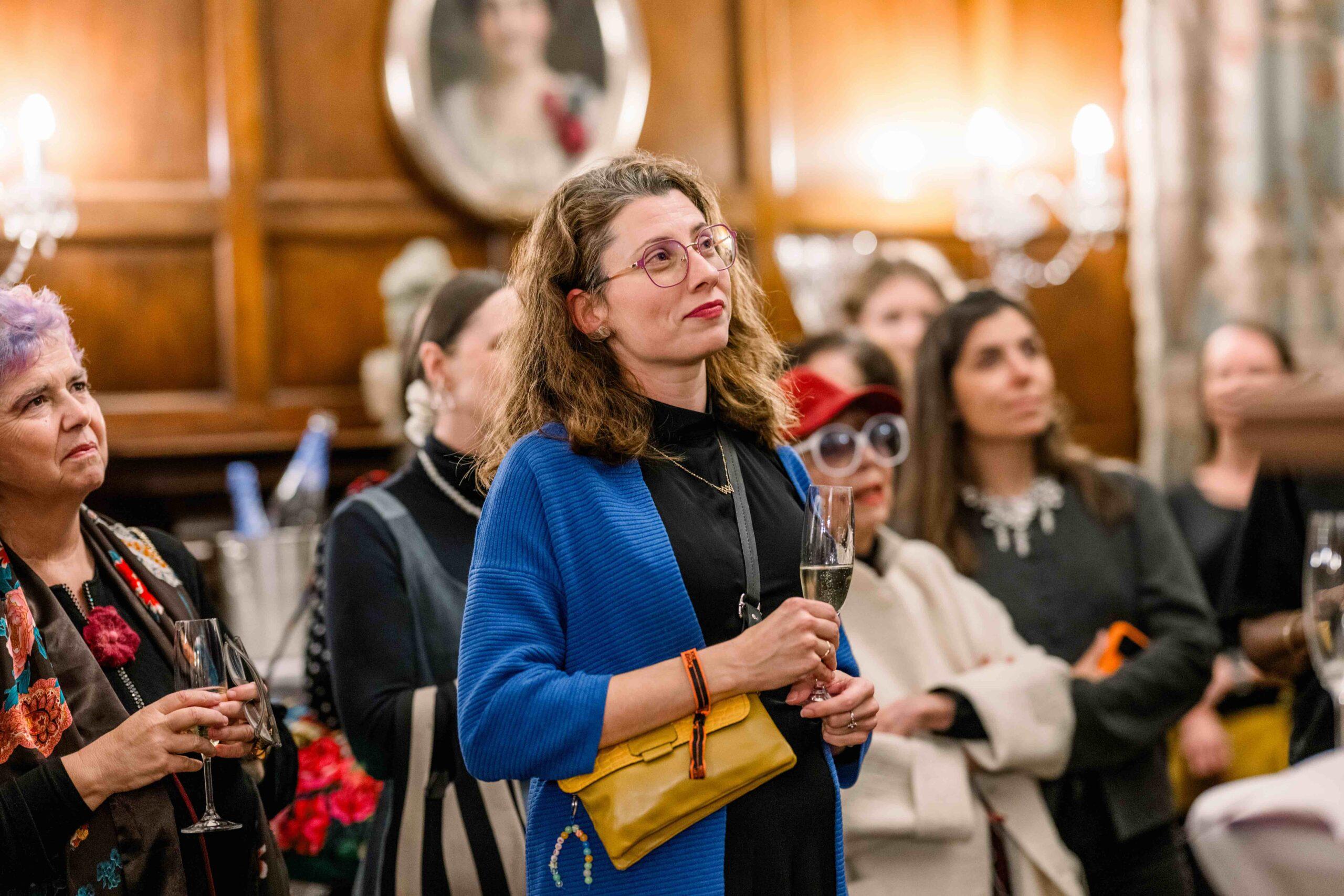
What stayed with me most about the EUNIC Imagine Festival was not only the expertise gathered in Prague, but the opportunity to recognise shared concerns across different national and professional contexts.
Despite our different histories and working environments, many of us are grappling with related questions about labour, resources, representation and the possibility of building systems that serve people and the planet more equitably.
The festival created a space in which these perspectives could meet — not because we all share the same experiences, but because meaningful exchange allows differences to become a source of knowledge rather than a barrier to collaboration.
This is particularly important at a time when the transition towards a more sustainable fashion industry risks reproducing the very inequalities it claims to address. New materials, resale platforms, recycling technologies and regulatory frameworks may all contribute to change. But none of them, on their own, can guarantee a fairer system.
We must also ask who has access to the resources needed to participate in this transition. Which designers can afford to experiment? Which manufacturers can meet new regulatory requirements? Which businesses have access to investment and international markets? And whose perspectives are represented when the rules of the future industry are being written?
An equitable transition requires more than inviting overlooked voices into existing structures. It requires a willingness to reconsider those structures, redistribute opportunities and create conditions in which different forms of knowledge and expertise can shape decisions.
This is where inclusion must become more than a promise. It must become a practice.
We cannot weave a different future alone
My participation in Unweaving Fashion reaffirmed something I consider essential to the work ahead: meaningful transformation depends on our ability to move beyond isolated initiatives and towards sustained collaboration.
No single country, community, designer, institution or organisation can transform the fashion system alone. We need dialogue across borders, exchange across disciplines and partnerships that are built on mutual respect rather than one-sided extraction. We need institutions willing to create space for perspectives that have historically been excluded. We need businesses prepared to share resources as well as visibility. And we need a fashion ecosystem in which collaboration creates tangible opportunities, fairer relationships and shared prosperity.
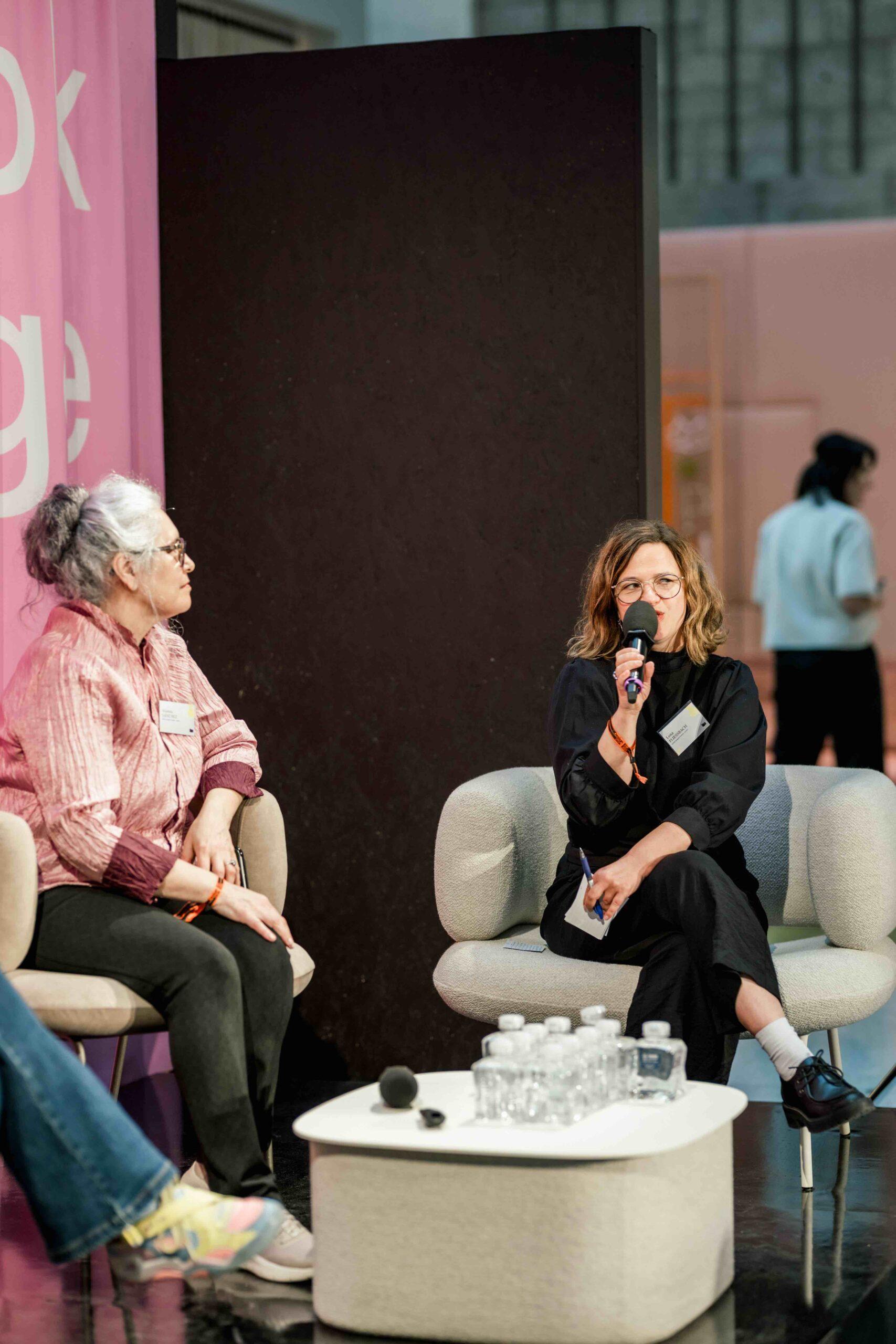
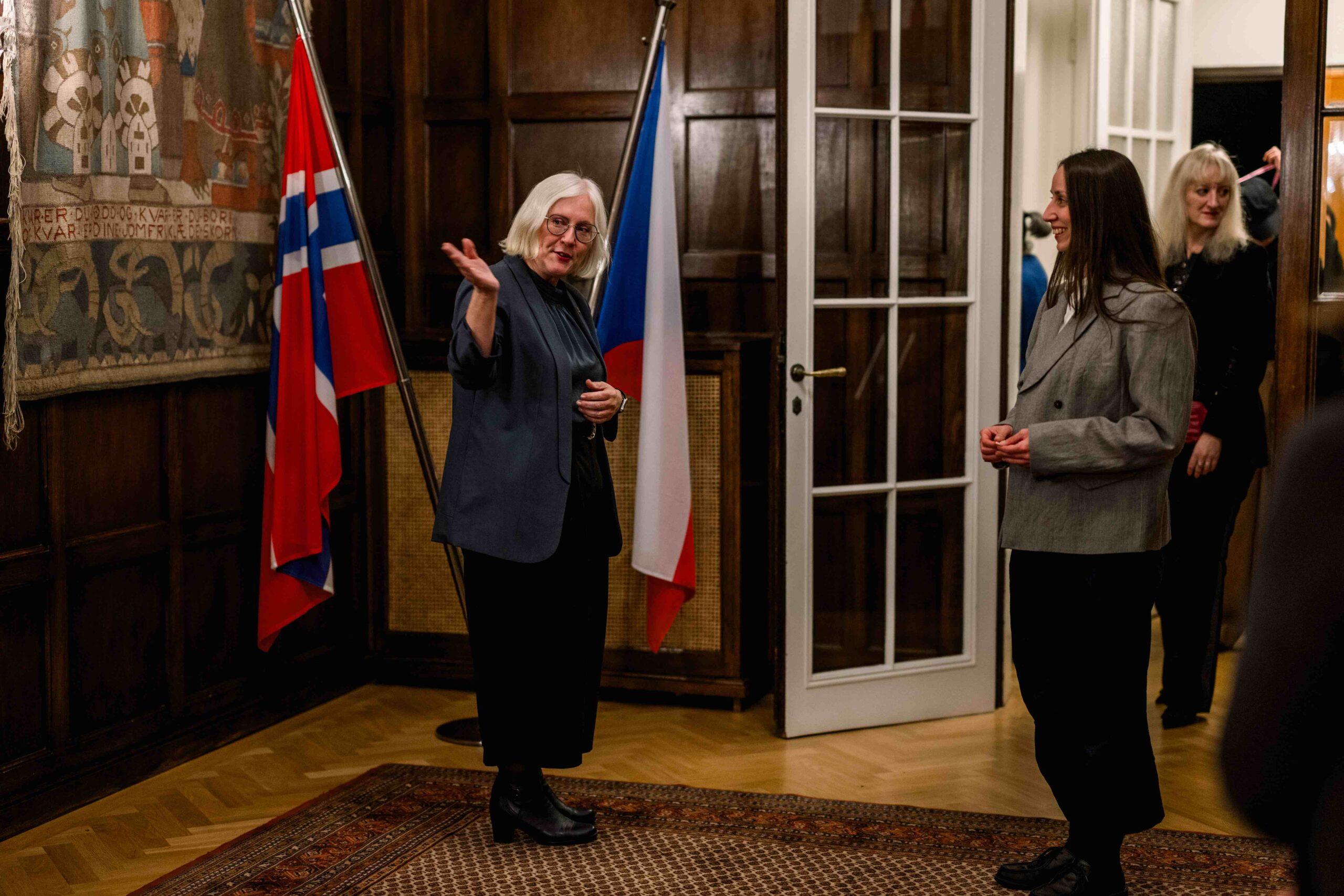
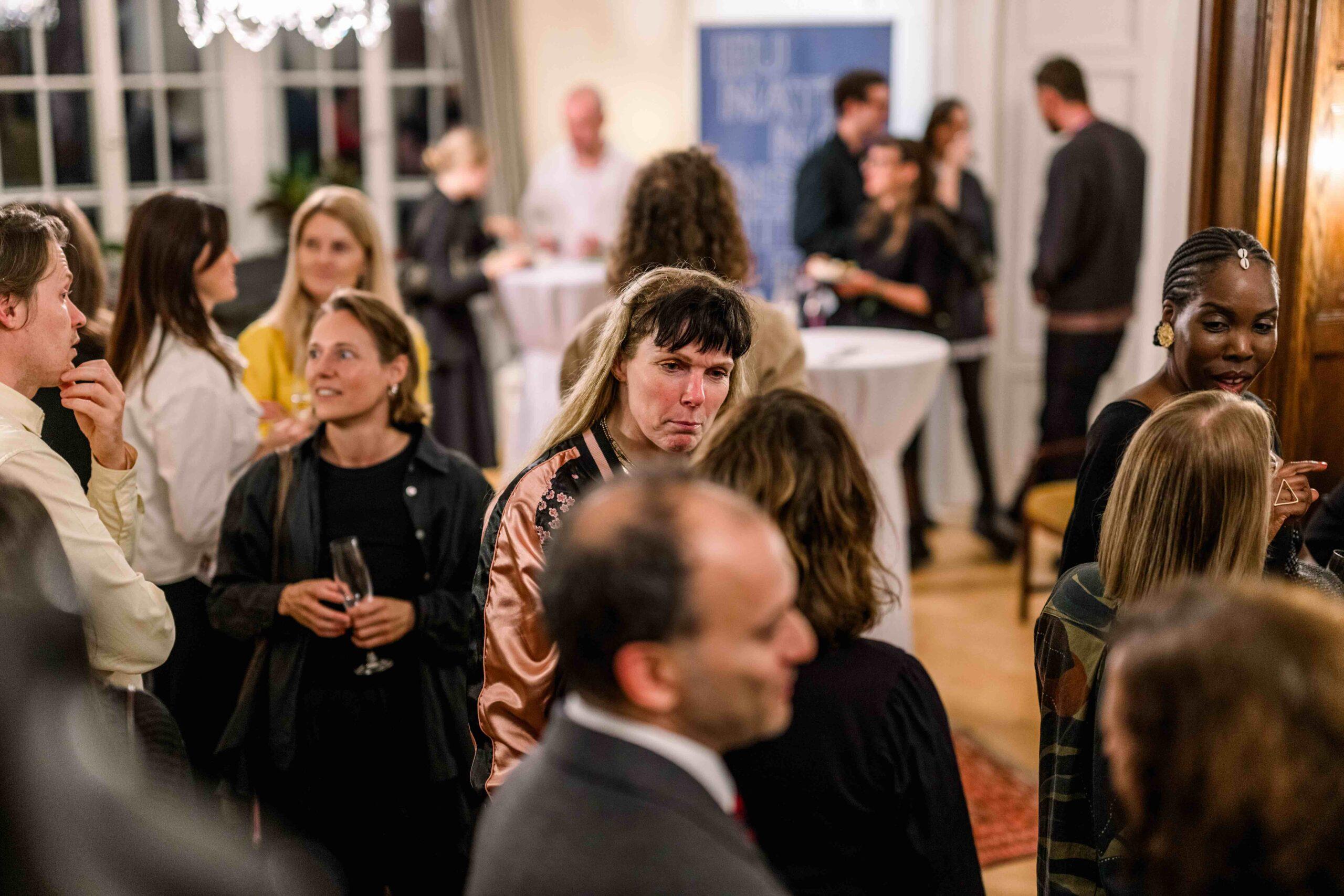
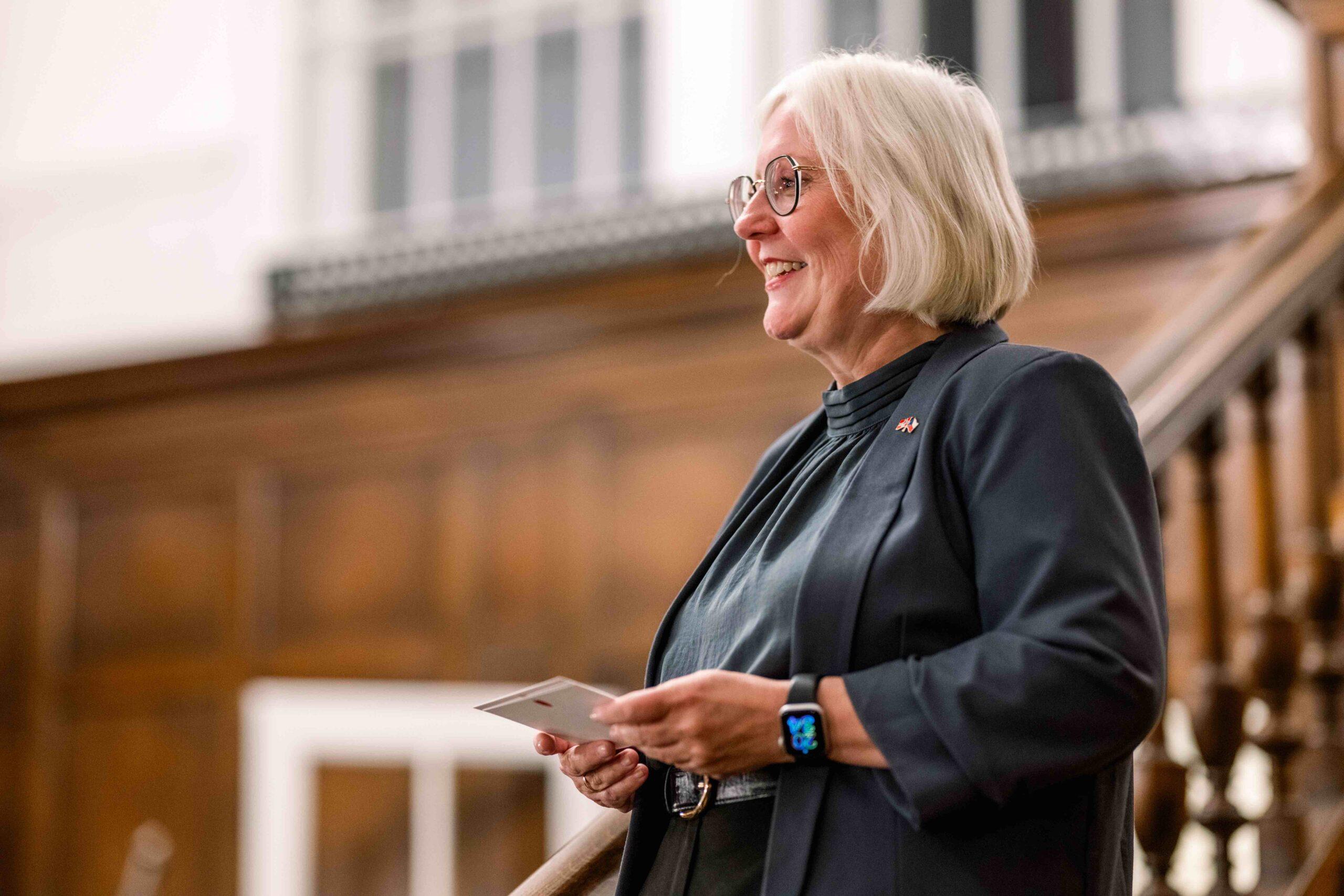
My sincere thanks to the Goethe-Institut for inviting me to represent Germany and for creating the conditions for this meaningful exchange. A heartfelt thank you to the Royal Norwegian Embassy for the warm welcome and wonderful reception. I am equally grateful to the organisers, the curator Lena Fließbach, fellow speakers and participants who brought their knowledge, challenged assumptions and contributed to a conversation that should continue beyond the conference.
Because unweaving the old system is only the beginning. The more challenging work is to imagine what comes next — and to build it together.
Different histories. Diverse knowledge systems. Shared responsibility. Collective imagination.
The future of fashion is not something we create for one another. It is something we should create with one another. And perhaps the most important question is not simply who gets to define the future of fashion, but whether we are prepared to share the power and resources required to make that future possible.
We cannot do it alone. We can only do it together.
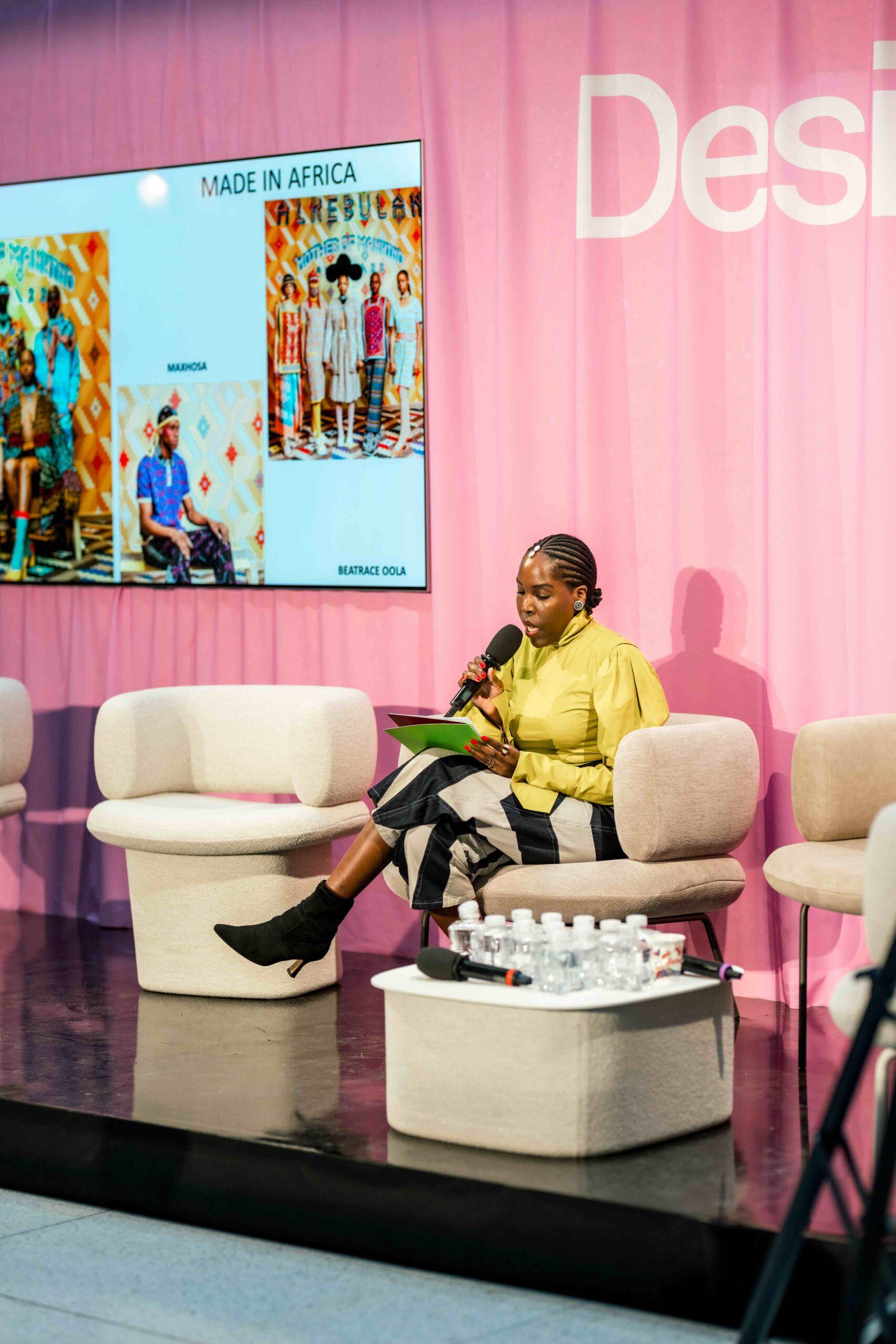
Images in presentation: MAXHOSA, THE REVIVAL, ZENAM